A Moment Worth Marking
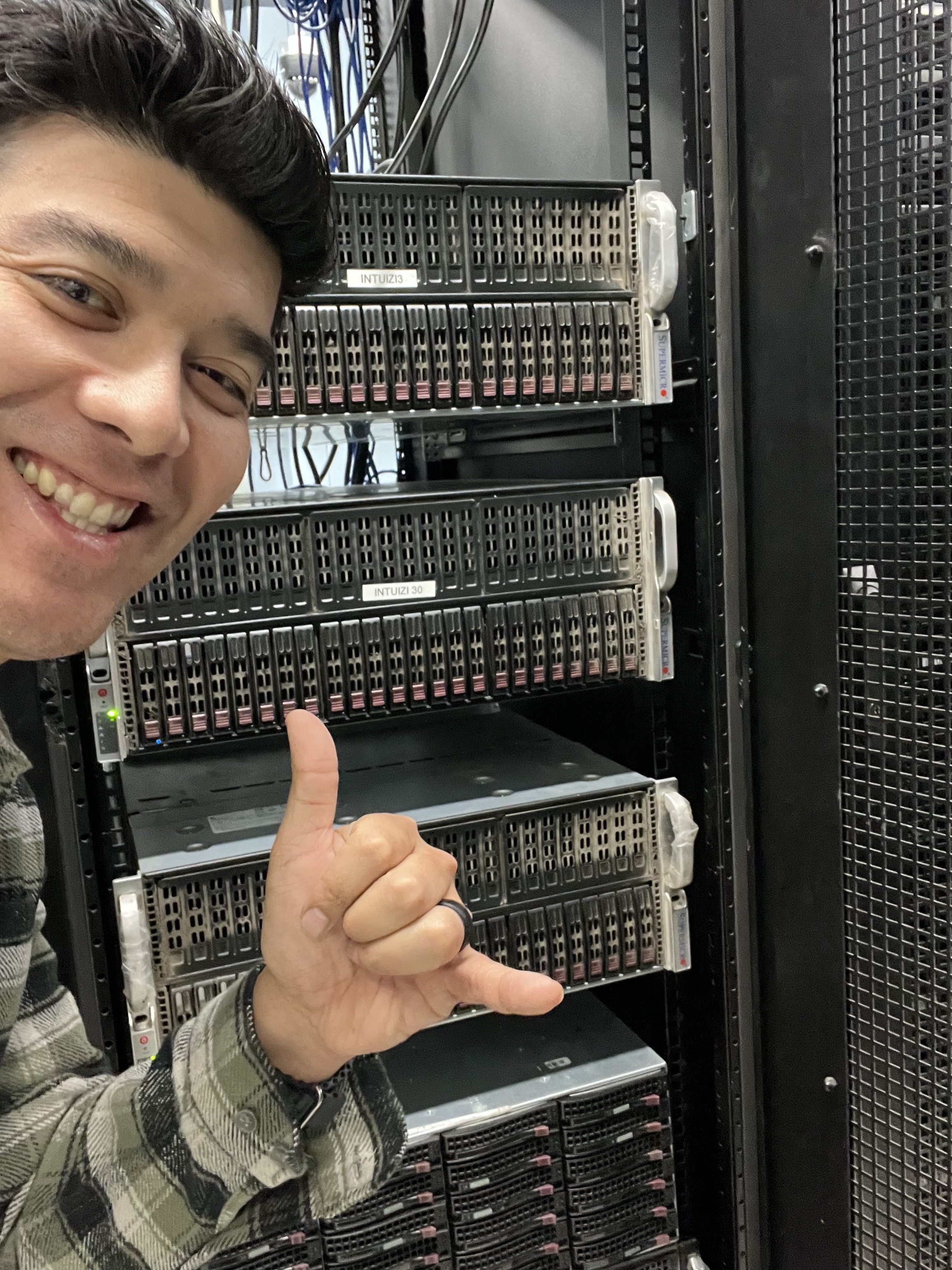
Intuizi has been building since 2019.
For most of that time, explaining what we do took a while. The idea of a foundation model trained on numbers instead of words or images wasn't something most businesses had a category for yet. But that's changed. Today, dozens of businesses run on Intuizi and the conversation that used to take an hour now takes a sentence.
Seven years in, this feels like the right moment for a new website, one that captures the vision that got us started in the first place, not just the product we've built since.
So here's the vision, in plain terms. It started with a problem we kept seeing, over and over, in every business we talked to.
Businesses have gotten very good at collecting data. That was never the problem.
Companies are sitting on more data than they know what to do with, but it’s disconnected across systems that don't talk to each other, locked behind data science teams so backed up that a single question can take weeks or months to answer, and by the time it comes back, it's already describing a world that's moved on. The spend keeps growing, but the uncertainty doesn't shrink.
What changed
What was missing was never more data. It was the ability to find what was actually inside the data already there.
For the first time, three things exist together that never have before: large quantitative AI models, continuous and affordable compute power, and access to massive volumes of licensed data. That combination is what makes it possible for businesses to stop just describing what already happened and start acting on what's likely to happen next.
What it took to build
Getting to this point wasn't a matter of stitching together a few existing tools. It meant building something that didn't exist:
- A model built for sequences, not snapshots. Trained on the relationships between data and the order in which things happen, so it gets sharper with every new signal, not just bigger.
- A signal provider network. Contracted relationships with the owners of licensed data sources, built over years, not scraped, purchased from a broker, or something a competitor can reassemble overnight.
- Owned infrastructure. We run on compute we own, not capacity we rent, which means the cost of asking a question drops over time instead of stacking up with every cloud bill.
- Privacy built in, not bolted on. Every signal is permissioned and de-identified before it enters our system. That's not a policy layer, it's how the platform was designed from the start.
- Delivery that meets people where they work. Answers land inside the tools and workflows teams already use, not in one more dashboard nobody has time to check.
Each piece exists because the others require it. That's the part that took years, not months.
What it changes
Put those pieces together and a few things start to look different. The cost of asking a question drops instead of climbing with every cloud bill, so teams stop rationing which questions get asked. Answers that used to sit in a queue for months come back in minutes. And because the models are built to find patterns across sequences, not just summarize what already happened, they can point at what's likely to happen next. Not a guess, but a probability grounded in real-world signals.
None of that is possible if the starting point is still "collect more data." It's only possible once the data you already have stops being a cost to store and starts being something you can put to work.
Where I think this goes
The businesses that lead the next decade won't be the ones with the most data. They'll be the ones whose data pays them back and informs every decision across the business, instead of sitting in storage waiting for the next report.
That's the shift we built Intuizi for. If you've been part of this conversation with us already, thank you for getting us here. If this is your first time hearing it, welcome, there's more to come.